
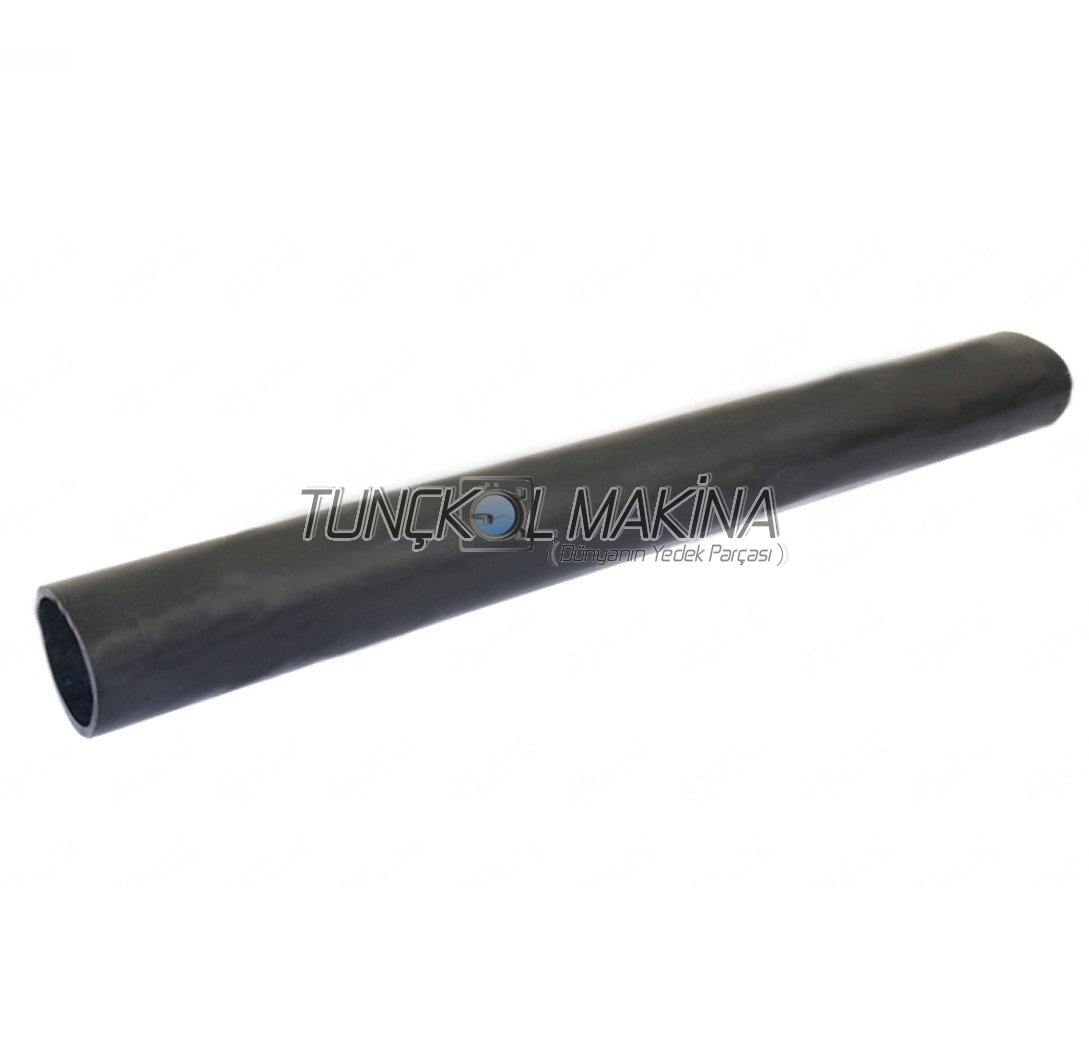
 Representative photo from a related product family
Hoses and fluid lines
Detergent hose
A detergent hose must suit the chemical and the suction or pressure conditions in the dosing circuit.
View detailsNamibia
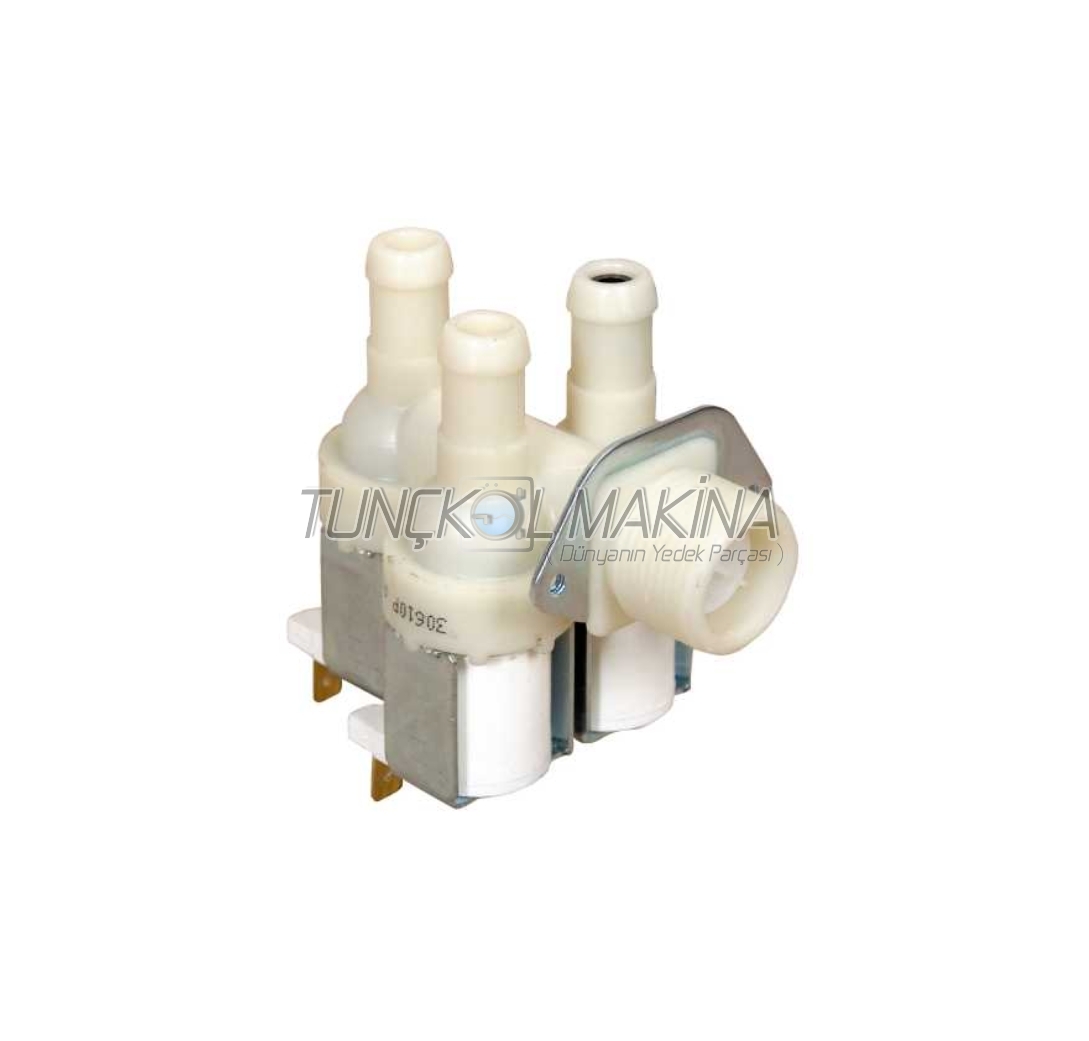
For a Tolkar Detergent dosing solenoid valve, the machine model and the existing component code come first. Brand names alone do not identify the correct revision, connection layout or operating specification.
Our confirmed contact address is in Ankara, Turkey. A country or city page does not mean that we have an office or technician at that location. Service availability and shipment options are confirmed for each request.
Representative photo from a related product familyHoses and fluid lines
A detergent hose must suit the chemical and the suction or pressure conditions in the dosing circuit.
View details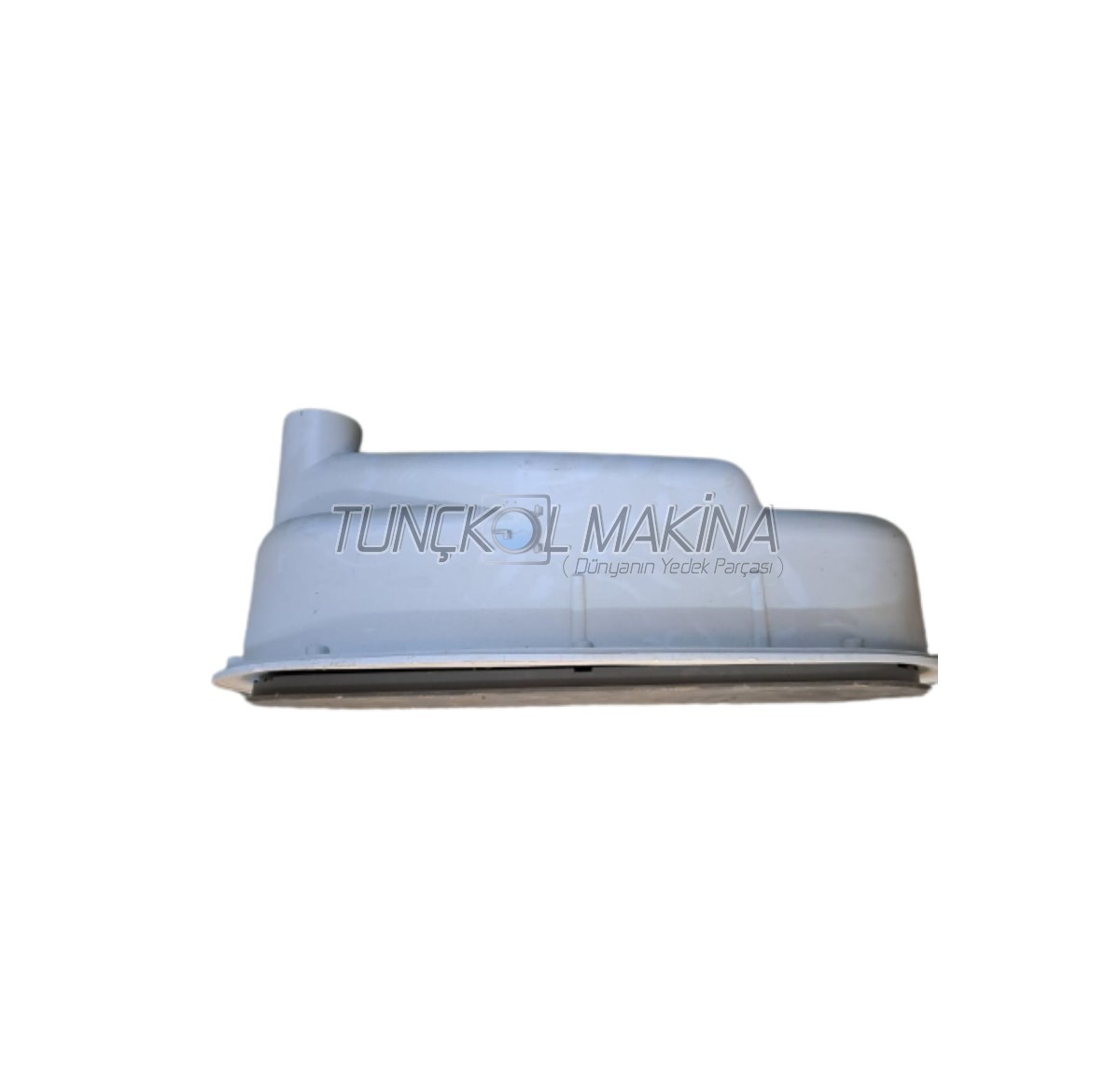
Mechanical bodies and assemblies
The dispenser housing separates and directs chemical or flushing flows through defined compartments and connections.
View details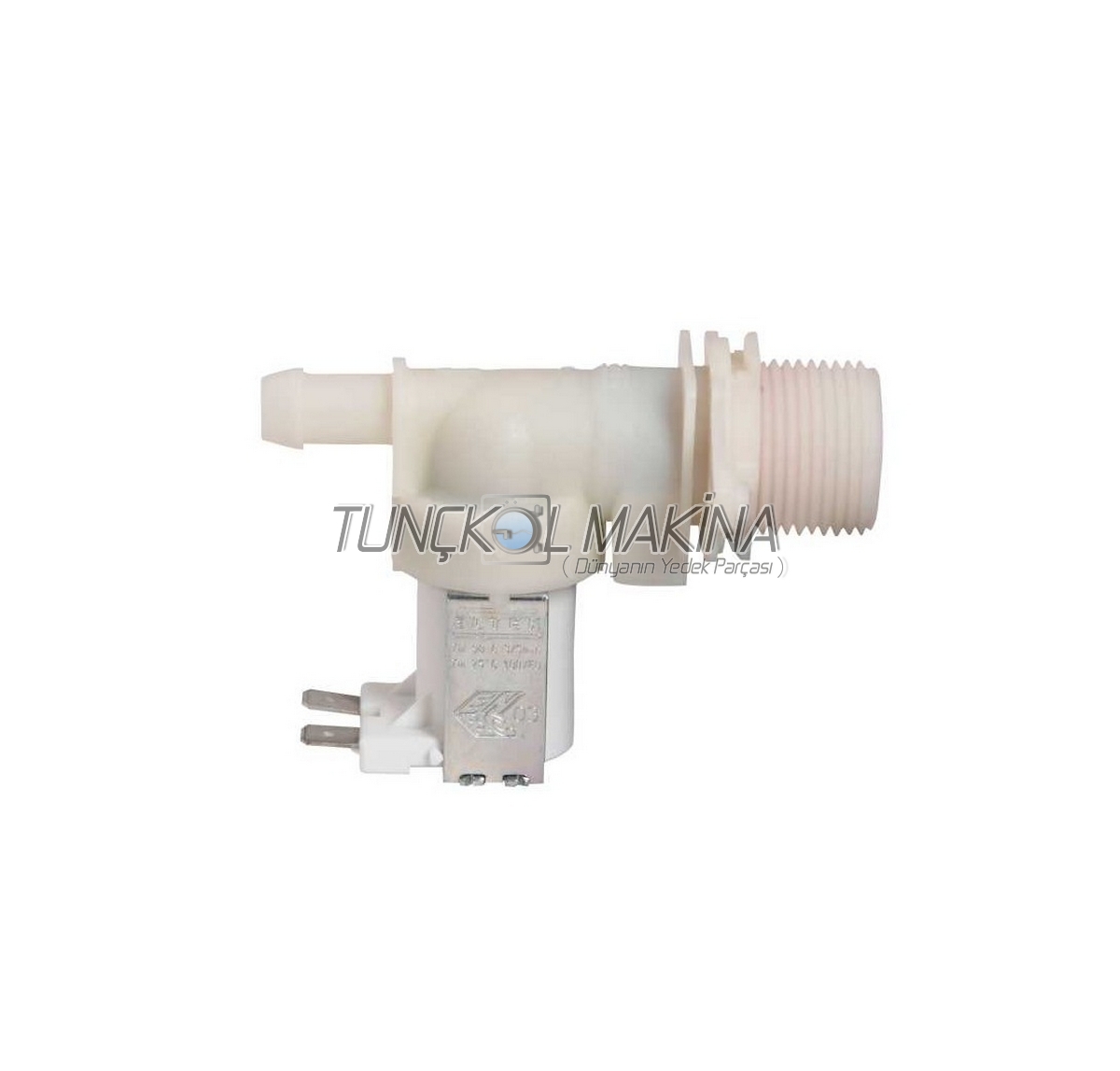
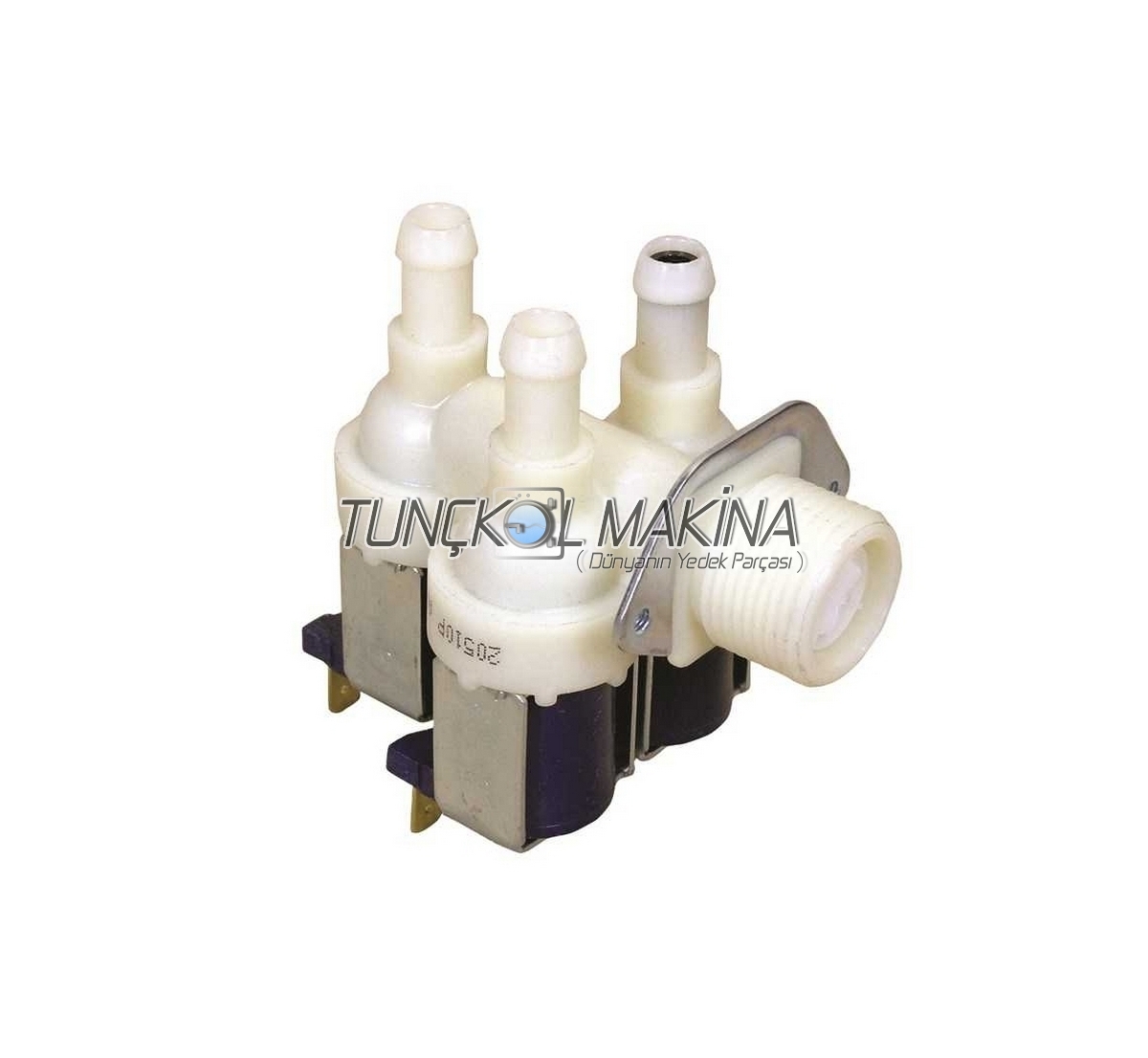
Record the connections for Tolkar requests. Photograph the position and connector arrangement of drives, sensors, valves and mechanical assemblies; a fault name alone does not identify the part.
This valve controls a dosing-related flow and requires identification of the actual medium and separate electrical coil.
Provide chemical, ports, normal position, body and seal materials, and coil code for comparison with the installed circuit.
Separate failure to open from continued flow after the command, recording dosing-stage timing and line conditions.
Medium, port connections, normal position, coil code
For a Detergent dosing solenoid valve enquiry, send one overall view of the installation and close views of the label, connections and mounting faces. Place a scale beside a dimension when it can be photographed safely, and state the unit used. Keep the full connector visible rather than photographing only its colour. Reference images on this page help with recognition; they cannot establish the exact item in your machine or confirm that a replacement is available in stock.
For Detergent dosing solenoid valve, begin with the complete machine identification rather than a description remembered from an earlier repair. The model, serial number and existing component code help distinguish revisions that can look alike. Include a photograph of the machine plate and show where the part is fitted. If a label is damaged, say which characters are uncertain. A clear record is more reliable than assuming that every machine from the same brand uses the same component.
A useful record for Detergent dosing solenoid valve explains what was observed before anything was changed. Note the date, operating conditions, first error and any recent work near the assembly. Keep photographs of the original wiring and mounting position. If a previous replacement did not resolve the symptom, include its code and the result of the follow-up check. This avoids repeating the same assumption and helps separate a component mismatch from an unresolved fault elsewhere in the equipment.
The condition of the parts around Detergent dosing solenoid valve can matter as much as the component itself. A worn support, loose connection, blocked passage or misaligned assembly may put a new part under the same abnormal conditions. Describe visible wear and the position of any leak, vibration or heat mark without dismantling energized equipment. The checks should follow the machine documentation. Related component guides are included to help organize the request, not to recommend replacing several items without a diagnosis.
A symptom involving Detergent dosing solenoid valve should be described alongside the programme stage and the first alarm shown. An interrupted supply, a restricted mechanical movement or an incorrect signal can produce similar symptoms. Record whether the fault is constant, intermittent or linked to heat, load or moisture. Keep earlier and later alarms separate. This sequence helps a qualified technician decide which checks are appropriate instead of treating the last displayed message as a complete diagnosis.
This edition covers enquiries from Namibia. The geographical directory contains 93 populated-place records and 61 administrative-area records. Capital city: Windhoek. These records describe the directory, not the number of service offices, and do not confirm a technician at that location. Your actual city, service options and delivery arrangements are checked individually for each enquiry before assistance or shipment is agreed.
An opening command does not prove that the fluid passage opened. Electrical command, coil or actuator response and valve movement describe separate stages. Read the normal position and operating arrangement from the technical record rather than inferring them from a connector. Compare flow direction and ports as well. This distinction prevents a control-side observation being recorded automatically as a body defect and clarifies which component of an assembly is actually required for the machine.
Provide chemical, ports, normal position, body and seal materials, and coil code for comparison with the installed circuit. Detergent dispenser housing.
Equal threads do not establish suitability for the same line. Compare documented pressure and temperature limits, wetted materials and any required pressure differential with the application. Water, steam, chemical dosing and compressed-air circuits are different services. Include upstream filtration, deposits and flow direction in the enquiry. Where the specification is incomplete, obtain the missing information before recording definite compatibility. A physically fitting valve may still have an unsuitable seal or operating arrangement for the process.
Separate failure to open from continued flow after the command, recording dosing-stage timing and line conditions. Detergent hose.
For delayed opening, relate command timing, actuator travel and line conditions to the event. For continued flow after closure, distinguish completion of the closing movement from sealing at the seat. Record the program stage instead of combining both symptoms into a generic valve failure. A downstream restriction introduces another flow issue. Internal inspection requires pressure and temperature to be made safe under the machine's procedure before the relevant observations are confirmed and recorded.
Medium, port connections, normal position, coil code Detergent dispenser housing.
Send the full model and serial number, the existing Detergent dosing solenoid valve code and a readable machine plate photograph. Include the component label, connector and mounting arrangement if these can be photographed safely. The same brand can use different revisions across machine families and production periods. If the old part was already replaced, include both codes and explain which one was originally fitted. This information supports an identification check; the brand and a general description alone are not enough. Detergent hose.
A photograph is a useful starting point for Detergent dosing solenoid valve, but it cannot verify every specification. Hidden dimensions, internal construction, signal type or material can differ between similar-looking items. Compare the label and documented requirements as well as the visible shape. The gallery may contain a reference photograph or a clearly marked technical illustration. Neither image should be read as proof of the current stock, original manufacturer or compatibility with every Tolon, Tolkar or Kromlüks machine. Detergent dispenser housing.
Describe the first symptom, programme stage and alarm in their original order. Explain whether the issue appears during starting, filling, heating, rotation, discharge or another identifiable operation. For Detergent dosing solenoid valve, add recent maintenance, operating conditions and any verified measurements with their units. Avoid turning an untested suspicion into a confirmed diagnosis. Qualified personnel can then compare the evidence with the machine documentation and decide whether the requested component or a connected assembly needs further investigation. Detergent hose.
Availability and price are checked against the identified Detergent dosing solenoid valve, required quantity and agreed specification. For an enquiry from Namibia, provide the actual city and delivery destination so that feasible shipment options can be discussed. The presence of a product page does not establish stock or an agreed dispatch date. Any offered alternative needs a separate compatibility check. The quotation should identify what is included and which delivery conditions still require confirmation before an order is accepted. Detergent dispenser housing.
After fitting Detergent dosing solenoid valve, the machine-specific maintenance procedure determines the functional checks and conditions for returning the equipment to use. Qualified personnel should confirm the relevant connections, mounting and operating response, then record the result alongside the original symptom. An alarm disappearing once is not proof that an intermittent cause has been resolved. Where the fault involved a supply, leak, abnormal load or mechanical restriction, that condition also needs to be addressed before the replacement is considered successful. Detergent hose.
Tunçkol Makina is an independent private service and spare parts business. This Detergent dosing solenoid valve page provides identification guidance for enquiries involving Tolon, Tolkar and Kromlüks equipment; it does not declare an authorized relationship with those brands. Our confirmed contact address is in Ankara, Turkey. A country or city edition helps organize an enquiry, while local attendance, remote assistance and shipment feasibility must be confirmed separately for the actual request and location. Detergent dispenser housing.